Archives
- 2026-09
- 2026-08
- 2026-07
- 2026-06
- 2026-05
- 2026-04
- 2026-03
- 2026-02
- 2026-01
- 2025-12
- 2025-11
- 2025-10
- 2025-09
- 2025-03
- 2025-02
- 2025-01
- 2024-12
- 2024-11
- 2024-10
- 2024-09
- 2024-08
- 2024-07
- 2024-06
- 2024-05
- 2024-04
- 2024-03
- 2024-02
- 2024-01
- 2023-12
- 2023-11
- 2023-10
- 2023-09
- 2023-08
- 2023-07
- 2023-06
- 2023-05
- 2023-04
- 2023-03
- 2023-02
- 2023-01
- 2022-12
- 2022-11
- 2022-10
- 2022-09
- 2022-08
- 2022-07
- 2022-06
- 2022-05
- 2022-04
- 2022-03
- 2022-02
- 2022-01
-
Deazaneplanocin br The inhibitory effect of
2022-05-27

The inhibitory effect of ATP7B knockdown on lysosomal exocytosis is likely mediated by the resulting oxidative stress induced by Cu, as exposure to oxidative stress induced by tert-Butyl hydroperoxide (TBHP) inhibited β-hex exocytosis as well, indicating that oxidative stress inhibits lysosomal ex
-
Despite these multiple mechanisms of viral persistence one p
2022-05-27

Despite these multiple mechanisms of viral persistence, one patient has been reportedly cured from HIV-1 infection . Timothy Brown, also known as the 'Berlin patient', was diagnosed with HIV-1 infection in 1995. After controlling viremia for several years via cART, he was diagnosed with acute myeloi
-
Renal disease is characterized by aberrant
2022-05-27
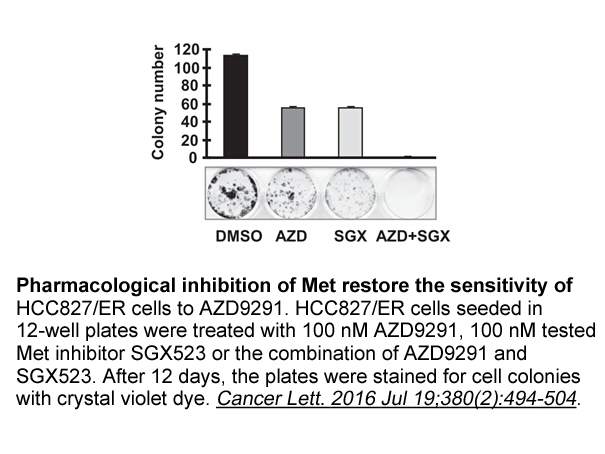
Renal disease is characterized by aberrant fibrotic remodeling of renal tissue, elevated apoptosis in kidney tissue, and eventual organ failure. In addition, patients with renal disease are more likely to suffer from systemic hypertension due to oxidative damage (reviewed in Ref. [18]). Treatment of
-
In the present study we observed a decrease
2022-05-27
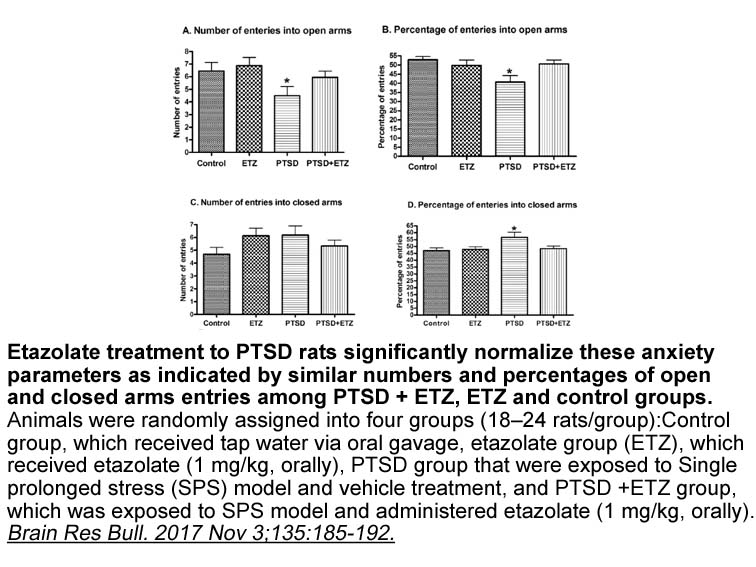
In the present study, we observed a decrease in body weight gain in Tg rats. It is uncertain whether this effect is due to Denr, Gpr81, or Gpr109a. In this regard, Gpr81 mice have been reported to have reduced body weight gain [28]. Moreover, a small clinical study has reported that obese patients t
-
Similar to GPR A activation of G protein
2022-05-26
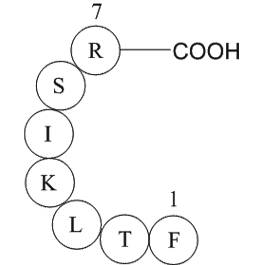
Similar to GPR109A, activation of G-protein-coupled receptor 81 (GPR81, also called HCAR1 (hydroxycarboxylic Fomepizole receptor 1)) by lactate suppresses lipolysis (Fig. 1), suggesting GPR81 to be a potential drug target for treating T2DM (Boyd et al., 1974, Cai et al., 2008, Gold et al., 1963, Hou
-
Previous studies have shown that
2022-05-26
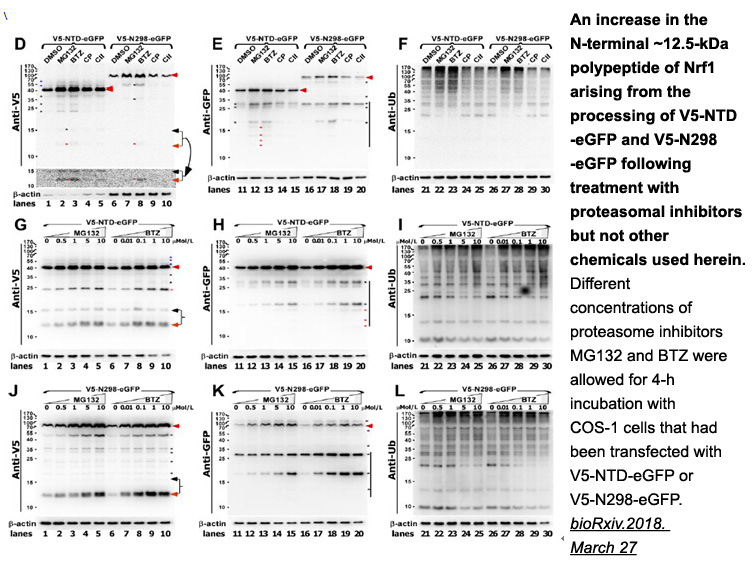
Previous studies have shown that zinc interacts with other allosteric modulators at the glycine receptor (Kirson et al., 2013, McCracken et al., 2010, McCracken et al., 2013). Of note, the chelation of zinc via tricine decreases the effects of alcohol at α1-, α2-, and α3-containing glycine receptors
-
The precise mechanisms of action of PBA are as yet
2022-05-26
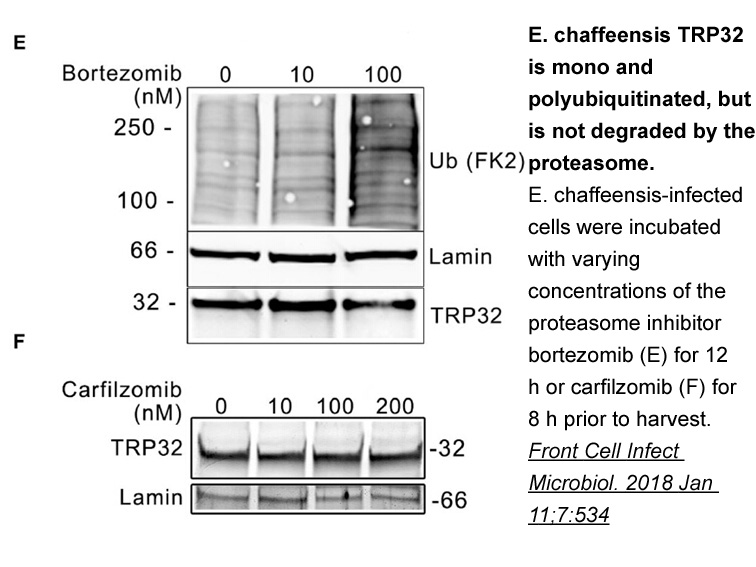
The precise mechanisms of action of 4-PBA are as yet ambiguous. Its capacity as a chemical chaperone has been thoroughly documented for the ABC transporter family in particular (Prulière-Escabasse et al., 2007; Iram and Cole, 2014; Gordo-Gilart et al., 2016; Pomozi et al., 2017). 4-PBA has been clas
-
Previous attempts to minimize the contribution
2022-05-26

Previous attempts to minimize the contribution of the compensatory changes due to chronic loss of Gcgr, have used temporally-controlled reduction of glucagon levels by alpha-cell ablation, glucagon immunoneutralization, and the use of small molecule or antibody glucagon receptor antagonists [10], [3
-
br Introduction The growth hormone secretagogue receptor GHS
2022-05-26
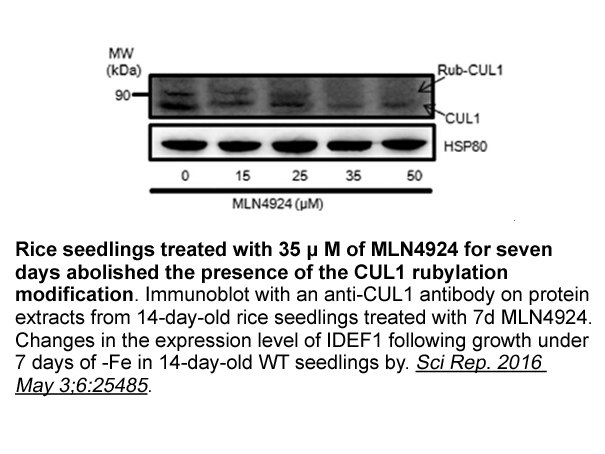
Introduction The growth hormone secretagogue receptor (GHSR) gene, which was first isolated from rats and humans (Kojima et al., 1999), comprises two exons and one intron in mammals and chicken. The pig GHSR is located on chromosome 13 (range 110,981,465–111,006,149 on Reference Sscrofa11.1). Alt
-
As shown in Table the results of individual prediction model
2022-05-26
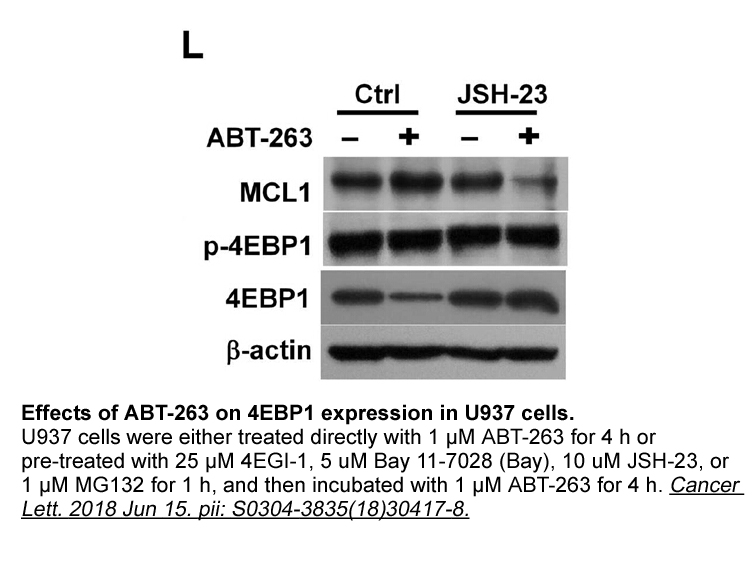
As shown in Table 3, the results of individual prediction modeling with chemicals at 0.4 mM, 0.6 mM, and 0.8 mM would lead to lesser sensitivity of 60.0%, 65.0%, and 65.0%, respectively, in microsome-unused group, and 85.0%, 85.0%, and 90.0%, in microsome-used group. If we consider only the results
-
br Introduction The period around birth
2022-05-26
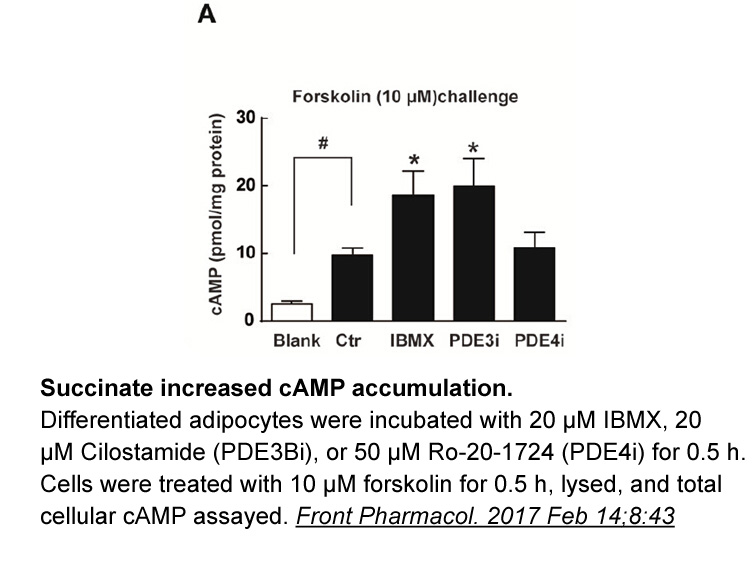
Introduction The period around birth is a risky time for stroke in infants. Ischemic stroke has been diagnosed in about 1/4000 full-term infants (Nelson and Lynch, 2004) and perinatal stroke represents the second most frequent cause of acute seizures in this age group (Levy et al., 1985). Further
-
SB431542 br Discussion The LISA analysis
2022-05-26
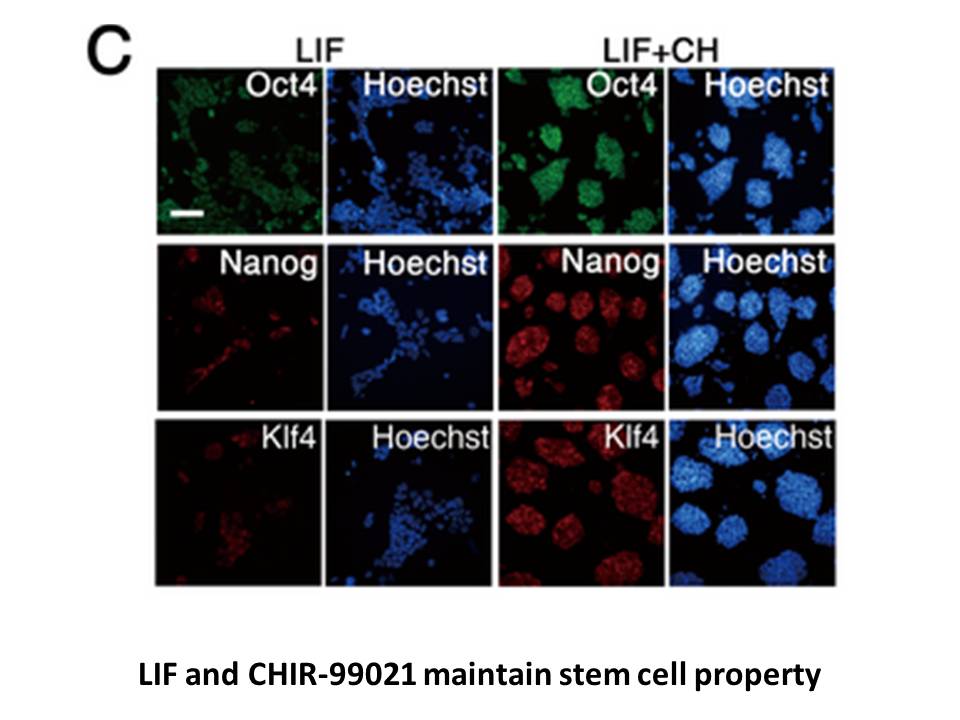
Discussion The LISA analysis indicated that HIV was geographically clustered in the north-west districts of Amhara Region. A high rate of HIV infection was found in Metema and Mirab Armacho districts, which share borders with Eretria and Sudan. Various studies have linked risk of infectious disea
-
WM-2474 The histamine H receptor H R amino acids is located
2022-05-26
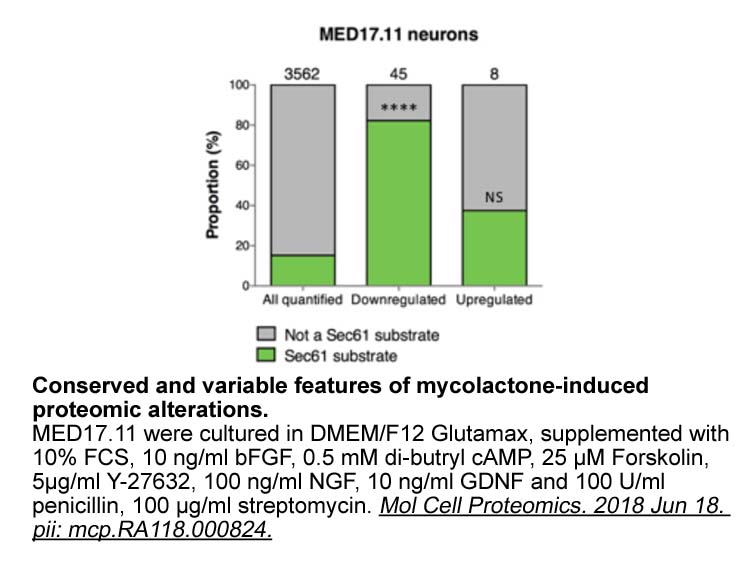
The histamine H3 receptor (H3R; 326–445 amino-acids) is located on histaminergic neuron somata, dendrites and axon varicosities, as well as on the axon varicosities and somata of other neurons, providing negative feedback to inhibit histamine synthesis and the release of histamine or other transmitt
-
E6 Berbamine receptor Multiple subsets of Breg cells in mice
2022-05-25
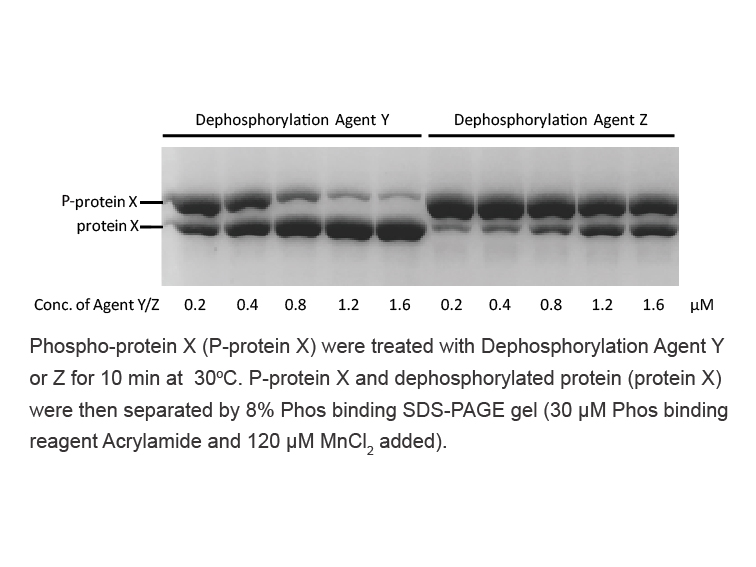
Multiple subsets of Breg cells in mice have been identified that could suppress the T cell-mediated response. However, a lack of consensus surface markers for Breg cells made it difficult to judge whether Breg cells are a special B cell subset or whether all E6 Berbamine receptor have an immuno-reg
-
Ac-YVAD-CHO mg Substrate affinity and specificity can be enh
2022-05-25
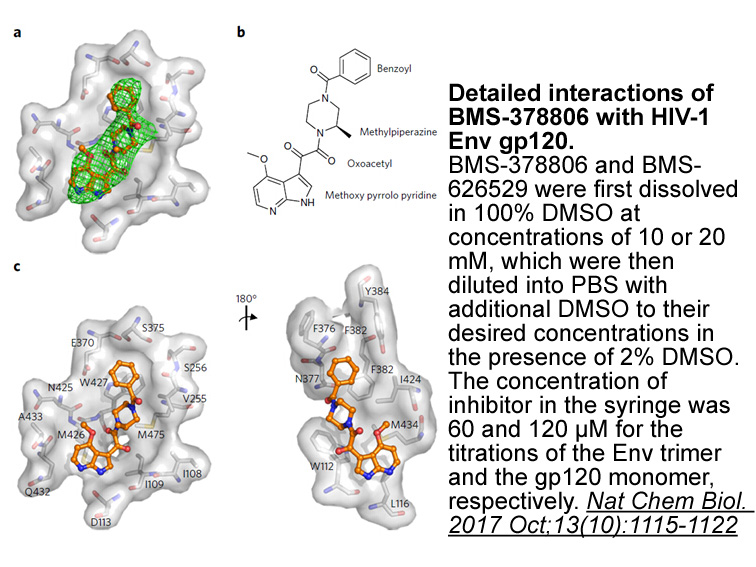
Substrate affinity and specificity can be enhanced by docking interactions, in which regions distal to the site of Ac-YVAD-CHO mg bind to grooves, pockets, or surfaces outside of the kinase catalytic cleft 1, 2, 5, 6. Like catalytic site interactions, docking interactions can involve recognition of
8642 records 493/577 page Previous Next First page 上5页 491492493494495 下5页 Last page