Archives
- 2026-08
- 2026-07
- 2026-06
- 2026-05
- 2026-04
- 2026-03
- 2026-02
- 2026-01
- 2025-12
- 2025-11
- 2025-10
- 2025-09
- 2025-03
- 2025-02
- 2025-01
- 2024-12
- 2024-11
- 2024-10
- 2024-09
- 2024-08
- 2024-07
- 2024-06
- 2024-05
- 2024-04
- 2024-03
- 2024-02
- 2024-01
- 2023-12
- 2023-11
- 2023-10
- 2023-09
- 2023-08
- 2023-07
- 2023-06
- 2023-05
- 2023-04
- 2023-03
- 2023-02
- 2023-01
- 2022-12
- 2022-11
- 2022-10
- 2022-09
- 2022-08
- 2022-07
- 2022-06
- 2022-05
- 2022-04
- 2022-03
- 2022-02
- 2022-01
- 2021-12
- 2021-11
- 2021-10
- 2021-09
- 2021-08
- 2021-07
- 2021-06
- 2021-05
- 2021-04
- 2021-03
- 2021-02
- 2021-01
- 2020-12
- 2020-11
- 2020-10
- 2020-09
- 2020-08
- 2020-07
- 2020-06
- 2020-05
- 2020-04
- 2020-03
- 2020-02
- 2020-01
- 2019-12
- 2019-11
- 2019-10
- 2019-09
- 2019-08
- 2019-07
- 2019-06
- 2019-05
- 2019-04
- 2018-07
-
For the SAR optimization of the right hand side it
2020-12-18
For the SAR optimization of the right hand side, it was decided to explore the inclusion of the key carboxylic Artemether moiety present in the original DGAT-1 inhibitors from . Analogs were constructed by the synthetic routes outlined in , . In , the methylene-oxy linker was introduced by condensat
-
The cyclin dependent kinase deactivation is
2020-12-17
The cyclin-dependent kinase deactivation is carried out by a particular group of proteins cyclin-dependent kinase inhibitors (CDKIs). These group of proteins blocks kinase activity by interfering with the interaction of cyclin-CDK complex [43]. The inhibition of CDK naturally occurs during a G1 phas
-
The corticotropin releasing factor CRF also referred to as c
2020-12-17
The corticotropin-releasing factor (CRF) also referred to as corticotropin-releasing hormone, is a key mediator of mammalian endocrine, behavioral, autonomic, and immune responses to stress (Vale et al., 1981, Owens and Nemeroff, 1991, Bale and Vale, 2004). Within the hypothalamic–pituitary–adrenal
-
Previous studies from our laboratory in CD mice using the
2020-12-17
Previous studies from our laboratory in CD1 mice using the incisional postoperative pain model have shown that the incision induces significant mechanical postoperative hyperalgesia lasting between 7 and 10days, with peak effect between 4h-2days (Cabañero et al., 2009a, Cabañero et al., 2009b, Campi
-
Our primary research question is that of the comparative eff
2020-12-17
Our primary research question is that of the comparative efficacy of accelerated and traditional accounting programs as manifest by success on the CPA exam. We recognize that due to a number of personal and career decisions, not all of those qualified from any of our programs will attempt the CPA ex
-
RCT pathway plays a critical
2020-12-17
RCT pathway plays a critical role in the maintenance of cholesterol homeostasis by facilitating the cholesterol clearance and cholesterol efflux (Levinson & Wagner, 2015). In the process of RCT, ABCA1 and ABCG1 played as crucial regulators in cholesterol efflux (Yasuda et al., 2011). Compared with
-
Our comparison of all ER iso forms with ER immunostaining
2020-12-17
Our comparison of all ERα (iso)forms with ERβ immunostaining suggests that overall ERβ expression is lower than that of ERα isoforms. This contrasts the so far reported data for ERs in the lung, but is not a paradox; in pathology routine, ER positivity is defined stricto senso by nuclear WT ERs. As
-
MSCs are self renewing multipotent
2020-12-17
MSCs are self-renewing, multipotent progenitor cells, with multilineage potential to differentiate into adipocytes, osteocytes, and chondrocytes. In addition, MSCs can migrate to sites of inflammation, supporting hematopoiesis and homeostatic maintenance. Given their unique therapeutic properties, M
-
Another interesting finding regarding substrate selectivity
2020-12-17
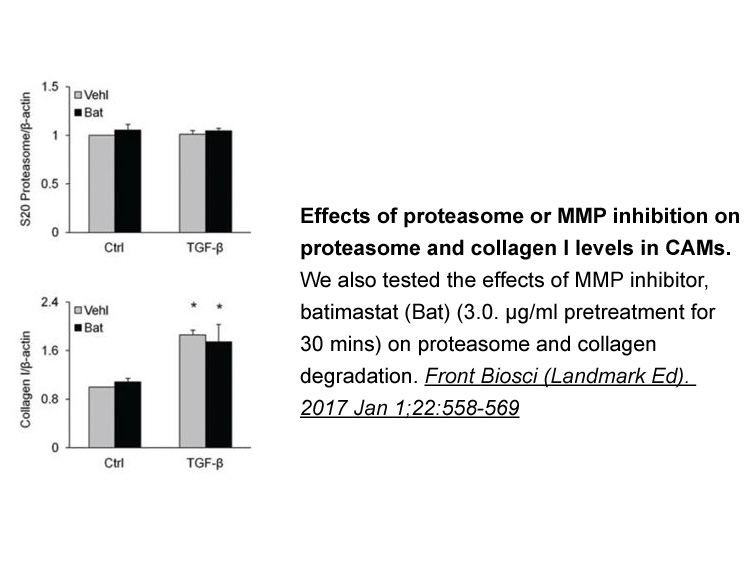
Another interesting finding regarding substrate selectivity of iPLA2-VIA in whole cellular systems stems from the observation that some of the major species hydrolyzed by the enzyme contain a 16:1 fatty Phos-tag at the sn-2 position [57,119], raising the possibility that iPLA2-VIA may constitute a m
-
It is known that cigarette smoke increases the oxidative
2020-12-17
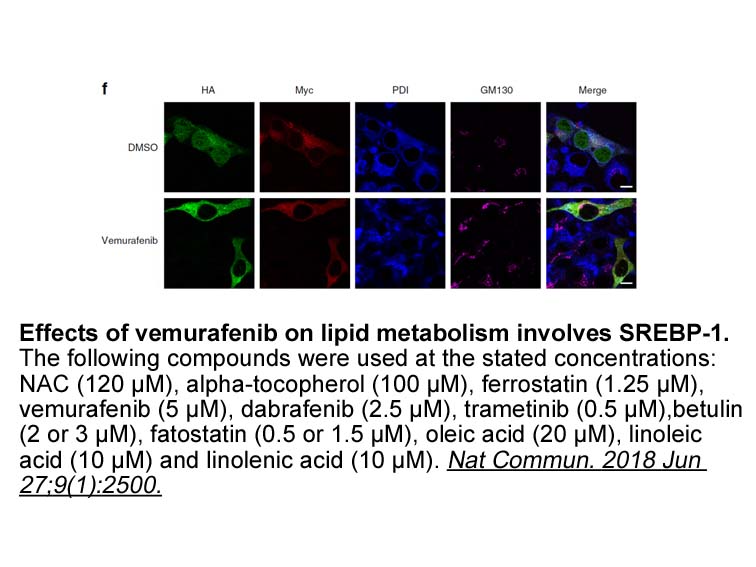
It is known that cigarette smoke increases the oxidative burden in the lungs of mice with emphysema, which leads to oxidative stress [[34], [35], [36]]. However, in addition to cigarette smoke, studies have shown that endogenous oxidative stress is associated with proteolytic Tolvaptan australia in
-
CZC-25146 mg Our results indicate an OT specific
2020-12-17
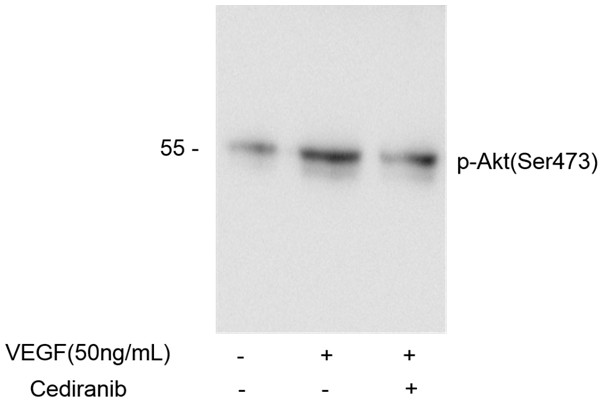
Our results indicate an OT-specific activation of PKR that inactivates eIF2a and may, by this means, reduce protein translation by utilizing only select sensors and mediators of the UPR (i.e., avoiding significant PERK activation). Interferon is a PKR activator [32] that temporarily subdues cellular
-
Regarding their reported beneficial properties on the digest
2020-12-16
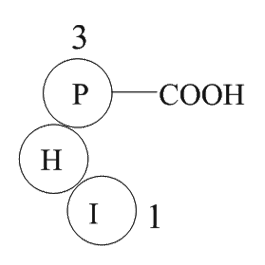
Regarding their reported beneficial properties on the digestive tract, the aim of this study was to evaluate the effect of water extracts of three Hypericum sps., HP, HA, HU and some of the main phenolic compounds (Ch, R and Q) on DNA protection against oxidative and alkylating DNA damage induced by
-
Previous studies from our lab
2020-12-16
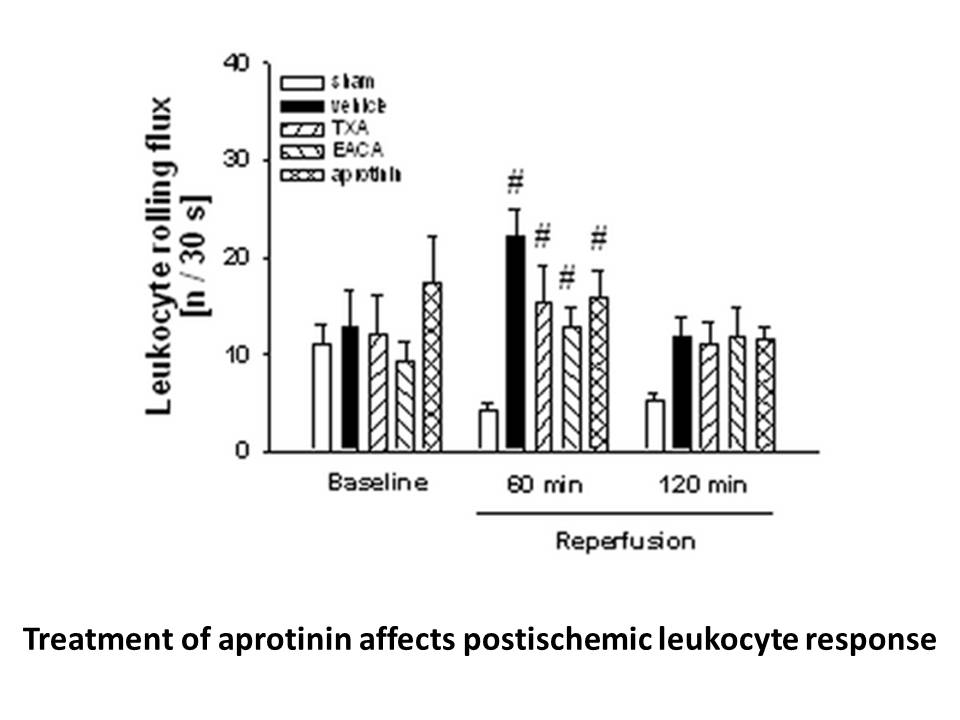
Previous studies from our lab looked at the effect of interfering with crossover helix interactions in TS-DHFR. One study utilized peptide mimetics of the crossover helix to inhibit wild-type TS-DHFR noncompetitively, and with an IC of 230 μM. A second study used a virtual screening approach to iden
-
The results described in the present study confirm key restr
2020-12-16
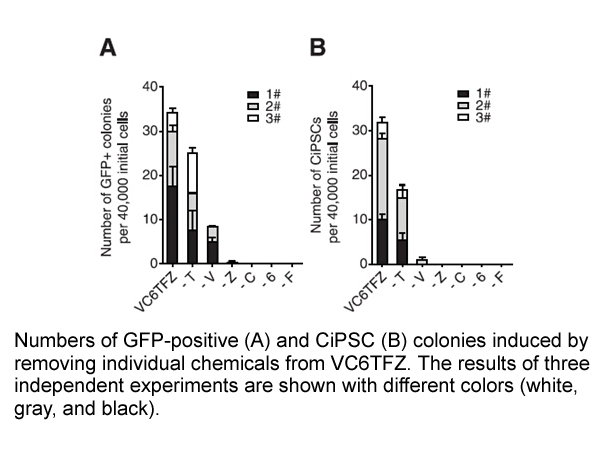
The results described in the present study confirm key restrictions on reaction conditions which must considered to maximize reactor productivity. Increased viscosity should be avoided for the amination of ketones by L-AmDH, as a 4-fold increase in viscosity can lower the reaction rate by as much as
-
This work was supported by grants from the Institute
2020-12-16

This work was supported by grants from the Institute of Cancer Research (ICR) and Biotechnology and Biological Sciences Research Council (BB/I014276/1 and BB/M013782/1). Main Text In 2006, Warburg et al. described an apparently distinct connective-tissue disorder characterized by blepharophimosi
16441 records 789/1097 page Previous Next First page 上5页 786787788789790 下5页 Last page